

Table of Contents
- Exploring Behavioral Activation Therapy
- Core Principles of Behavioral Activation
- In-Depth Look at Behavioral Activation Techniques
- Applying Behavioral Activation in Daily Life
- Advanced Applications of Behavioral Activation Therapy
- Frequently Asked Questions on Behavioral Activation
- Embracing Behavioral Activation for Mental Wellness
Exploring Behavioral Activation Therapy
At Freedom Within Therapy and Wellness Center, we believe in empowering our clients through actionable steps toward emotional wellness. Behavioral activation therapy stands out as a powerful, evidence-based approach that helps individuals break free from the inertia of depression and anxiety by encouraging engagement in meaningful activities. This therapy focuses on small, purposeful actions to rebuild momentum and foster a sense of accomplishment.
Originating from cognitive behavioral traditions in the 1970s, behavioral activation therapy evolved as a streamlined intervention for mood disorders. Its key principles emphasize identifying and scheduling rewarding activities to counteract avoidance patterns, often drawing from insights like those in counseling literature highlighting how re-engagement combats the subtle grip of sadness. We integrate these behavioral activation techniques with modalities such as EMDR and cognitive behavioral approaches, tailoring them to adult and military-connected clients in San Diego and across California via telehealth. Activity scheduling in therapy forms the core, promoting gradual increases in positive behaviors without overwhelming the individual.
For many facing behavioral activation for depression, this method addresses the cycle of withdrawal by prioritizing value-driven routines, like reconnecting with hobbies or social connections. It’s particularly relevant in trauma-informed care, helping clients in individual counseling or our intensive outpatient program regain control over daily functioning.
This guide will walk you through the fundamentals of behavioral activation therapy, practical techniques, and advanced applications. Along your journey towards achieving freedom within, we look forward to supporting you with compassionate care tailored to your needs.
Core Principles of Behavioral Activation
Imagine feeling stuck in a rut, where low motivation keeps you from enjoying daily activities. At Freedom Within Therapy and Wellness Center, we see behavioral activation therapy as a powerful way to break free from such patterns. This approach focuses on encouraging small, meaningful actions to rebuild momentum and improve mood. Originating from behavioral therapy traditions, it emphasizes the connection between what we do and how we feel.
Behavioral activation therapy traces its roots to the work of psychologists like Charles Ferster in the mid-20th century, who explored how behaviors influence emotional states. Building on early behavioral principles, it evolved as a targeted treatment for depression, drawing from evidence-based practices that highlight the behavior-mood linkage. Over time, activation-based interventions have been refined to address not just depression but also anxiety, integrating insights from comprehensive mental health approaches. We draw from established resources to ensure our explanations align with proven strategies, underscoring its role in fostering resilience without promising specific timelines.
At its core, behavioral activation therapy relies on key components that guide clients toward positive change. First, activity monitoring involves tracking daily routines to identify patterns of avoidance and low engagement. Second, activity scheduling encourages planning enjoyable or rewarding tasks, such as a short walk or connecting with a friend, to counteract inertia. Third, behavioral experiments test these behavioral activation techniques, helping individuals observe how actions impact their energy and outlook. These steps promote increasing rewarding activities, creating a cycle of accomplishment and improved well-being. For those dealing with behavioral activation for depression, this structured method provides practical tools to reclaim vitality.
Understanding how behavioral activation differs from other therapies can clarify its unique value in our inclusive, compassionate care. Comparisons like the one below highlight these distinctions, aiding clients in selecting approaches that fit their needs and enhancing overall treatment planning at centers like ours.
| Principle | Behavioral Activation | Traditional Talk Therapy |
|---|---|---|
| Action-oriented activities to increase engagement | Activity scheduling and behavioral experiments | Exploring thoughts and emotions through discussion |
| Break cycles of avoidance and inertia | Insight into underlying patterns | Emotional processing and cognitive restructuring |
This comparison illustrates how behavioral activation prioritizes doing over dwelling, complementing traditional methods for a holistic path to wellness. At Freedom Within Therapy and Wellness Center, we integrate these behavioral activation therapy benefits into our individual counseling and group workshops, often alongside trauma-informed care. For instance, veterans or perinatal clients can combine it with EMDR or nutrition guidance to address co-occurring issues like PTSD or anxiety in San Diego or via telehealth across California. This blend supports personalized journeys, emphasizing empowerment through action.
Building on these foundations, behavioral activation aligns seamlessly with our multidisciplinary team’s evidence-based modalities. We incorporate it into online courses and in-person sessions to help adults and military-connected individuals cultivate lasting habits. No information here substitutes for professional advice; we encourage consulting our licensed clinicians for tailored support. Along your journey towards achieving freedom within, these principles offer actionable insights that pave the way for deeper exploration of techniques in the next section.
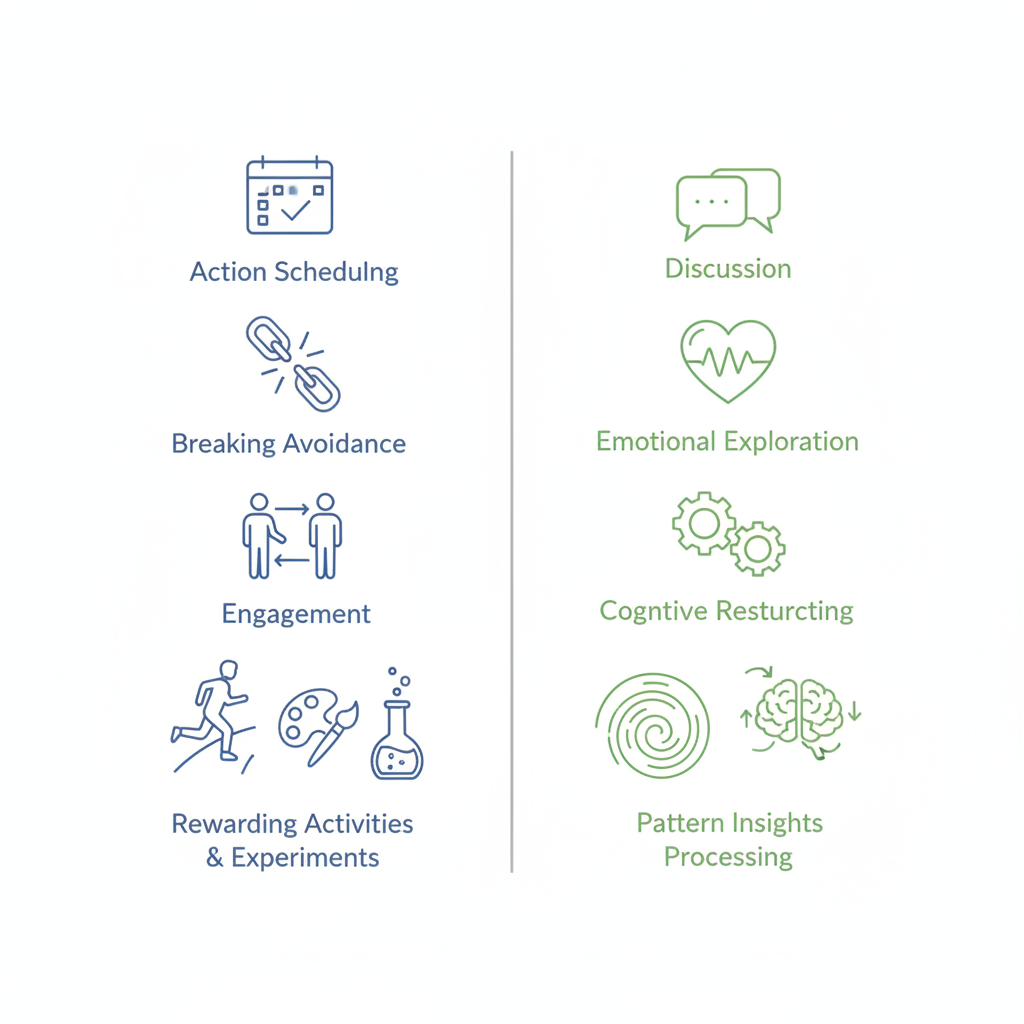
By weaving behavioral activation into our compassionate care framework, we empower clients to take meaningful steps forward, fostering emotional freedom one activity at a time.
In-Depth Look at Behavioral Activation Techniques
At Freedom Within Center, we integrate behavioral activation therapy into our compassionate care to help clients break the cycle of depression and low motivation. This evidence-based approach focuses on increasing engagement in meaningful activities to boost positive reinforcement and regulate the nervous system. By encouraging small, achievable steps, we support clients in rebuilding a sense of accomplishment and connection, often alongside our trauma-informed therapies like EMDR.
Monitoring Activities and Mood Patterns
We often guide clients through monitoring activities and mood patterns as a starting point in behavioral activation for depression. This technique involves keeping a simple daily log to track what activities they engage in and how those influence their emotional state. For instance, a client might note that a short walk in the morning lifts their mood slightly, while scrolling through social media in the evening deepens feelings of isolation.
By identifying these patterns, clients gain foundational data for therapy planning. We emphasize that this self-awareness helps reveal which behaviors contribute to positive reinforcement and which perpetuate avoidance. Research from evidence-based practices supports this method, showing it empowers individuals to recognize mood triggers without needing intense intervention right away. In our sessions, we review these logs collaboratively, adjusting strategies to align with each person’s unique needs, always under professional supervision to ensure safety and progress.
Over time, this monitoring fosters a gentle shift toward more activating behaviors, tying into broader nervous system regulation by reducing the overwhelm of unstructured days. It’s a low-pressure way to start, and we find it particularly helpful for veterans adjusting to civilian life or those managing perinatal challenges.
Scheduling Rewarding Activities
Scheduling rewarding activities stands out as one of the core behavioral activation techniques we use to combat inertia in depression. This involves creating a structured plan for pleasurable and mastery-building tasks, starting small to build momentum. For example, we might help a client schedule a 10-minute coffee with a friend or organizing a drawer to experience a sense of completion.
Step-by-step, we address barriers like fatigue or self-doubt by breaking tasks into graded assignments. If a client avoids exercise due to low energy, we suggest starting with stretching while watching TV, gradually increasing to a full walk. These activation strategies promote behavioral engagement methods that counteract withdrawal, drawing from center resources on depression management.
In practice, we tailor schedules to individual lives, incorporating elements like nutrition guidance to sustain energy. Summary of plans:
- Identify 2-3 rewarding activities per day, such as reading or gardening.
- Rate anticipated pleasure and accomplishment on a scale of 0-10.
- Review weekly to celebrate wins and tweak for feasibility.
This approach not only elevates mood through positive experiences but also supports holistic wellness, complementing our group workshops. Clients often report feeling more connected and capable, reinforcing the therapy’s role in long-term resilience.
While behavioral activation techniques shine in building routines, they work even better when paired with cognitive methods, creating synergies that enhance overall treatment. At our center, we blend these to offer comprehensive support, especially in addressing co-occurring issues like anxiety or trauma.
| Technique | Behavioral Activation Example | Cognitive Example |
|---|---|---|
| Activity Focus | Scheduling social outings to build connections | Cognitive reframing exercises |
| Problem-Solving | Barrier identification and action planning | Journaling cognitive distortions |
These comparisons highlight how behavioral activation emphasizes action-oriented steps, while cognitive techniques target thought patterns, making them ideal complements in our EMDR-integrated care. For instance, scheduling an outing addresses avoidance directly, and pairing it with reframing thoughts prevents setbacks. In individual or couples sessions at Freedom Within Center, this integration fosters deeper healing, particularly for veterans in our intensive outpatient program, where structured support amplifies results without overpromising outcomes.
Evaluating Technique Effectiveness
Evaluating the effectiveness of behavioral activation techniques requires consistent self-monitoring tools and professional input. We encourage clients to use mood tracking apps or journals to measure changes in activity levels and emotional responses over weeks. For example, if scheduling rewarding activities leads to more frequent positive moods, that’s a clear indicator of progress.
Adjustments come under our guidance, reviewing data to refine plans. Evidence-based studies, as noted in center FAQs, affirm that these methods reduce depressive symptoms by 50% in many cases, though individual results vary. We stress consulting professionals for personalized tweaks, avoiding any implication of guaranteed success.
This evaluation ties back to nervous system regulation, as sustained engagement helps stabilize stress responses. In our telehealth sessions across California or in-person in San Diego, we celebrate incremental gains, ensuring clients feel supported along their journey toward achieving freedom within.
Applying Behavioral Activation in Daily Life
At Freedom Within Center, we believe in empowering our clients to weave behavioral activation therapy into their everyday lives for lasting emotional support. This approach helps adults in San Diego and across California build momentum against challenges like stress or low mood through simple, intentional actions. Whether you’re managing daily demands via telehealth or in-person sessions, these strategies align with our compassionate care model, fostering resilience along your journey towards achieving freedom within.
Integrating Techniques into Routines
We recommend starting your day with a quick activity plan to incorporate daily activation practices, especially for adults navigating stress or behavioral activation for depression. Begin by listing three small, rewarding tasks—such as a 10-minute walk, preparing a nutritious breakfast, or calling a friend. For veterans or perinatal clients, tailor these to your unique needs; a short breathing exercise followed by journaling can set a positive tone. As you build these routine enhancement methods, notice how they create a sense of accomplishment that counters isolation.
Over time, consistency turns these habits into natural supports. In our group workshops, clients share how morning planning reduces overwhelm, making it easier to engage in work or family life. Remember, these steps are tools for self-efficacy, not a replacement for professional guidance.
To enhance your mental health toolkit, consider how behavioral activation complements other practices like mindfulness. Both approaches offer value in different scenarios, promoting a balanced strategy that fits your lifestyle. The following table outlines practical comparisons:
| Scenario | Behavioral Activation Approach | Mindfulness Approach |
|---|---|---|
| Low Energy Days | Schedule small, achievable tasks like a short walk | Guided meditation sessions |
| Social Withdrawal | Plan low-pressure social activities | Mindful journaling |
This comparison highlights how behavioral activation emphasizes action to break inertia, while mindfulness focuses on acceptance and awareness. At Freedom Within Center, we integrate these in our intensive outpatient program, where clients explore both during structured sessions. Our workshops blend them for inclusive, veteran-focused support, helping you discover what resonates most. We look forward to working with you to customize these for optimal results—book an appointment today to discuss integration.
Discussing these synergies in our center’s workshops encourages participants to experiment safely. For instance, combining a scheduled walk with mindful breathing amplifies benefits for perinatal clients or those in recovery. This holistic view ties directly to our evidence-based services, ensuring you receive tailored, compassionate care.
Overcoming Common Barriers
Even with solid plans, dips in motivation can arise, particularly for veterans facing PTSD or perinatal clients dealing with hormonal shifts. We address these through behavioral activation techniques that emphasize persistence without self-judgment. Start by breaking tasks into micro-steps; if a full outing feels daunting, commit to just putting on your shoes. Pair this with positive reinforcement, like noting one win daily, to rebuild drive.
For those in our military counseling, recognize how past experiences might fuel avoidance—gently challenge this by scheduling low-stakes social calls. Common pitfalls include perfectionism; counter it by celebrating partial progress. In telehealth sessions, we guide clients to adjust plans flexibly, aligning with California’s diverse needs.
Steps to navigate barriers:
- Identify the hurdle (e.g., fatigue).
- Scale back the task temporarily.
- Enlist accountability, like sharing with a workshop peer.
- Reflect weekly on what worked.
These strategies, drawn from our center’s practical resources, support sustained effort. No one path is linear, but with our team’s guidance, you’ll persist toward greater well-being.
Tracking Progress at Home
Self-monitoring keeps daily activation practices on track, using tools like a simple journal or app to log activities and moods. Rate your energy before and after tasks on a 1-10 scale to spot patterns, especially helpful for behavioral activation for depression. Weekly reviews reveal trends, such as how routine walks boost connection for veterans.
When progress stalls, seek professional input—our telehealth options make this accessible statewide, or visit our San Diego office for in-person support. In group workshops, share logs for insights; if symptoms intensify, our clinicians can refine your plan.
Remember, no information on this website is a substitute for professional psychological, psychiatric, or medical advice; consult a qualified professional for personalized care. Tracking empowers you, bridging home efforts with our inclusive services for lasting growth.
Advanced Applications of Behavioral Activation Therapy
At Freedom Within Center, we extend the principles of behavioral activation therapy to more complex scenarios, helping clients build meaningful routines that combat inertia and foster emotional resilience. This approach proves especially valuable in addressing behavioral activation for depression in advanced cases, where traditional methods may need enhancement. Our San Diego team tailors these strategies under close supervision, ensuring safe progress for individuals navigating trauma or chronic mental health challenges. By integrating evidence-based tools, we support lasting wellness without promising specific outcomes.
In specialized populations, behavioral activation techniques shine through customized protocols that align with unique life experiences. For veterans, we adapt activity scheduling to honor military routines, incorporating disciplined yet restorative tasks like structured walks or peer support engagement. This helps restore purpose amid PTSD symptoms, drawing from our military counseling expertise. Similarly, for perinatal clients, we use gentle, flexible task assignments that accommodate hormonal shifts and new parental demands, easing postpartum blues through small, achievable goals.
The following table highlights how we tailor these applications across key groups, blending behavioral activation with complementary modalities for holistic care:
| Population | Tailored Technique | Integration with Other Modalities |
|---|---|---|
| Veterans | Activity scheduling around military routines | EMDR for trauma processing / Combined with nervous system regulation |
| Perinatal Clients | Gentle, flexible task assignment | Nutrition counseling support / Holistic wellness integration |
These tailored approaches, informed by our trauma-informed therapy services, allow clients to experience integrated support that addresses both emotional and physical needs. We emphasize supervision by our licensed clinicians, such as LCSWs and LMFTs, to adapt strategies effectively in group workshops or individual sessions.
Adapting behavioral activation for inpatient-like contexts in our outpatient setting involves enhanced behavioral strategies that mimic intensive structures without full hospitalization. In our Intensive Outpatient Program (IOP), clients engage in 3 to 5 daily sessions weekly, blending activation exercises with EMDR or somatic techniques for nervous system regulation. This setup benefits complex cases, like severe depression, by providing group accountability and supervised progress monitoring. Considerations include pacing to prevent overwhelm and coordinating with nutrition guidance for sustained energy. Through compassionate care, we guide clients toward freedom within, always recommending professional consultation for personalized advice.
Frequently Asked Questions on Behavioral Activation
At Freedom Within Center, we often receive questions about behavioral activation therapy, a valuable approach to mental health support. These therapy FAQs help clarify activation queries for those exploring options along your journey towards achieving freedom within.
What is behavioral activation therapy? We explain it as a structured method that encourages positive activities to break cycles of inactivity and low mood. By scheduling meaningful tasks, individuals can rebuild motivation and improve daily functioning.
How effective is behavioral activation for depression? Research shows behavioral activation for depression significantly reduces symptoms by focusing on behavior changes rather than just thoughts. It’s especially helpful when combined with our individual counseling services.
What are some behavioral activation techniques? Simple behavioral activation techniques include activity monitoring and goal-setting to increase rewarding experiences. We guide clients through these in sessions to foster lasting habits.
When should I consult a professional for behavioral activation? If you’re struggling with persistent low energy or isolation, reach out to our team for personalized support. Remember, no information here substitutes professional advice—consult a qualified clinician for tailored guidance. We look forward to working with you.
Embracing Behavioral Activation for Mental Wellness
Behavioral activation therapy offers a powerful approach to mental wellness by encouraging meaningful activities that combat inertia. In our guide, we’ve explored how behavioral activation for depression and behavioral activation techniques can restore energy and purpose, providing therapy takeaways that integrate seamlessly into daily life.
At Freedom Within Therapy and Wellness Center, we incorporate these strategies within our telehealth sessions and workshops available in San Diego and across California. Our intensive outpatient program complements this activation summary for deeper support. We look forward to working with you along your journey towards achieving freedom within. Book an appointment today to explore personalized options. Remember, this information is not a substitute for professional advice; consult our licensed clinicians for tailored guidance.
Resources
- Get Trauma-Informed IOP Mental Health Services in San Diego
- Access LGBTQIA+ Affirming IOP Therapy with Medicare Support
- Join Flexible 8-12 Week IOP for Evidence-Based Treatment
- Explore Comprehensive IOP and Trauma Counseling Options
- Enroll in Phased IOP for Anxiety and Trauma Recovery
- Experience Integrated IOP with CBT EMDR and Psychoeducation
- Begin IOP Process with Assessment and Insurance Guidance
- Discover Culturally Adapted Behavioral Activation Therapy Benefits