
Table of Contents
- Exploring Mental Health Residential Treatment in San Diego
- Basics of Residential Mental Health Treatment
- In-Depth Look at Residential Programs
- Applying Residential Treatment Practically
- Advanced Considerations in Residential Care
- Frequently Asked Questions on Residential Treatment
- Next Steps for Mental Health Support in San Diego
Exploring Mental Health Residential Treatment in San Diego
For those in San Diego needing intensive support, mental health residential treatment offers a dedicated path to healing. This structured, live-in program provides 24/7 care for conditions like depression, anxiety, or trauma, tailored to our community’s diverse needs. As a key option for mental health treatment near me in San Diego, it creates a safe space for focused recovery.
Residential programs immerse participants in therapy, fostering peer support and skill-building in a supportive environment. According to the Substance Abuse and Mental Health Services Administration (SAMHSA), government health data indicates these inpatient mental health care options improve outcomes for severe challenges through evidence-based approaches. Understanding mental health treatment types helps in selecting the right residential option, such as those incorporating CBT and DBT. In San Diego, local residential mental health services integrate unique wellness activities, like beachside mindfulness, enhancing accessibility for residents seeking comprehensive care.
At centers like Freedom Within Therapy and Wellness Center, we emphasize compassionate care through our programs, bridging intensive support with daily life. These facilities offer personalized guidance, drawing on local expertise to address individual journeys.
Consider residential treatment as a vital step for overcoming mental health challenges. We encourage professional evaluation to find the best fit, remembering no information here substitutes for professional psychological or medical advice; consult a qualified expert. Explore how local facilities like Freedom Within implement these treatments to meet individual needs.
Basics of Residential Mental Health Treatment
Building on the overview of mental health care options, residential treatment offers a deeper level of support for those facing significant challenges. Mental health residential treatment provides a structured environment in a dedicated mental health treatment facility, where individuals receive round-the-clock care to address severe conditions like depression, anxiety, or trauma. This immersive approach removes people from everyday stressors, allowing focused healing in a safe, supportive setting.
What to Expect
In residential programs, participants engage in daily therapy sessions, group activities, and medical supervision tailored to their needs. Personalized treatment plans incorporate individual counseling, skill-building workshops, and holistic practices to foster emotional stability. For instance, elements like mindfulness exercises and peer support groups create an inclusive atmosphere that promotes growth. We appreciate how these components build resilience, especially for those navigating complex issues.
A key aspect involves incorporating trauma informed therapy to address underlying causes sensitively, drawing from specialized clinical practice insights from local centers like Freedom Within. According to the Substance Abuse and Mental Health Services Administration (SAMHSA), such programs emphasize evidence-based care for conditions unresponsive to less intensive options. Typical durations range from 30 to 90 days, with admission criteria focusing on moderate to severe symptoms, such as persistent crises or co-occurring disorders. Post-treatment planning ensures smooth transitions, including outpatient follow-up to maintain progress.
Benefits include crisis stabilization, higher engagement in therapy, and improved outcomes for severe cases, as authoritative government health data from SAMHSA indicates. This constant monitoring provides compassionate care that empowers individuals to regain control.
Residential and outpatient programs differ in structure and intensity, helping readers weigh options based on their circumstances. Understanding these distinctions supports informed decisions about the right level of care.
Comparison Overview
Overview of Residential vs. Outpatient Mental Health Programs
A table comparing key aspects of residential treatment to outpatient options to help readers understand differences.
| Aspect | Residential Treatment | Outpatient Treatment |
|---|---|---|
| Structure | 24/7 immersive care in a facility | Regular scheduled sessions |
| Duration | Typically 30-90 days | Ongoing, flexible |
| Best For | Severe conditions requiring intensive support | Moderate symptoms with home support |
This comparison, informed by SAMHSA guidelines, illustrates how residential treatment suits those needing comprehensive oversight, while outpatient offers balance for less acute needs. For example, individuals with suicidal ideation or substance use alongside mental health issues often benefit most from the immersive structure, as it prevents isolation and ensures immediate intervention. SAMHSA data highlights that residential programs excel in stabilizing severe conditions, leading to better long-term management when followed by continued support. We see this as a vital step for compassionate, effective care.
Choosing residential treatment can be transformative for those whose daily lives exacerbate symptoms, providing the stability to explore deeper healing. Factors like symptom severity and support networks guide this decision, emphasizing personalized paths to wellness.
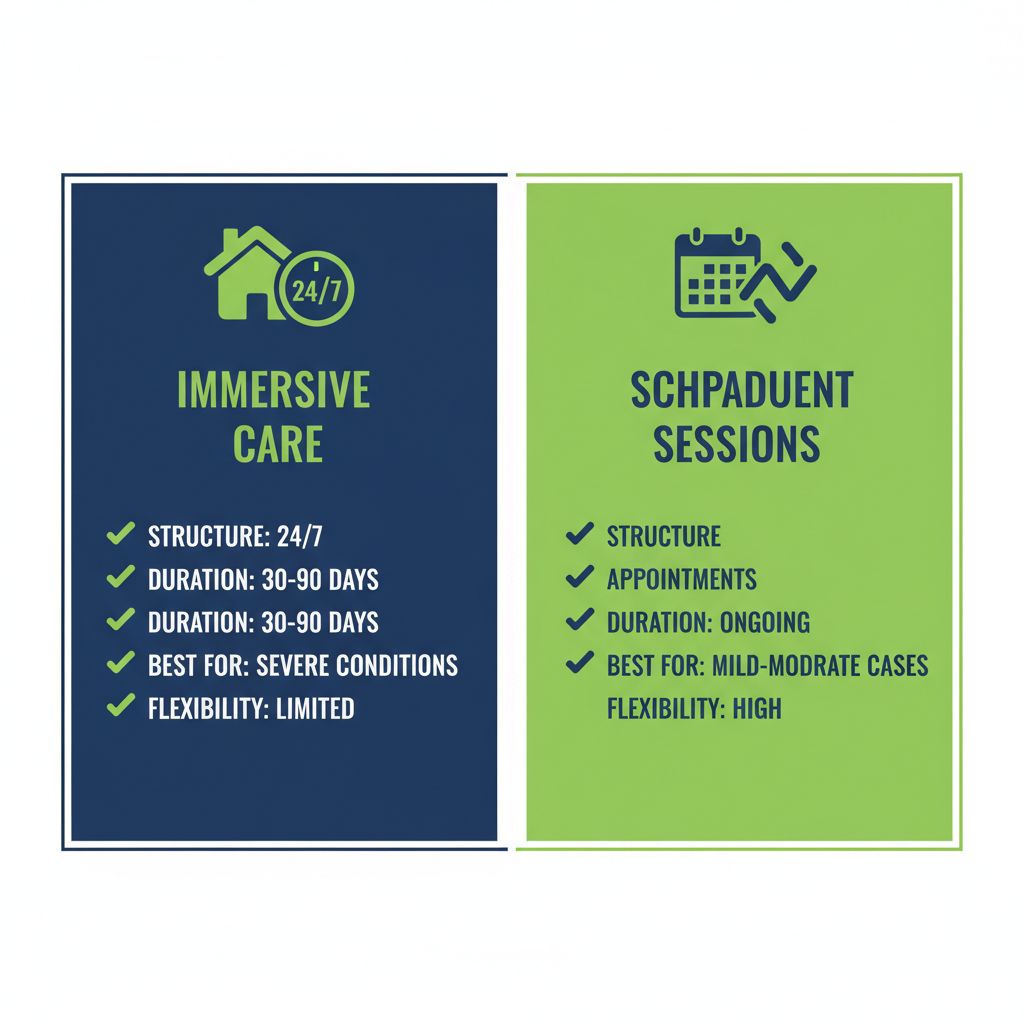
Side-by-side comparison of residential versus outpatient mental health treatment options.
This visual underscores the structured commitment of mental health residential treatment, reinforcing its role in intensive recovery. Within these residential programs, specialized approaches like trauma-informed therapy provide targeted healing, paving the way for advanced modalities.
When seeking options, consider accessibility by searching for mental health treatment near me to find facilities that align with your location and needs in areas like San Diego.
In-Depth Look at Residential Programs
At Freedom Within Therapy and Wellness Center, we understand the value of immersive support in mental health residential treatment. These programs provide a structured environment for individuals facing challenges like PTSD and anxiety, offering round-the-clock care to foster healing and stability in San Diego and beyond.
Program Structure and Daily Life
A typical day in a residential mental health facility begins early to promote routine and mindfulness. According to authoritative federal guidelines from the Substance Abuse and Mental Health Services Administration (SAMHSA), such programs emphasize therapeutic modalities like cognitive behavioral therapy (CBT) and art therapy to build coping skills.
- 7:00 AM Wake-Up: Start with mindfulness exercises, such as guided meditation, to set a calm tone.
- 9:00 AM Group Therapy: Participate in sessions focusing on shared experiences, often incorporating CBT for emotional regulation.
- Post-Lunch Individual Counseling: One-on-one time with therapists to address personal goals and trauma.
- Afternoon Recreational Activities: Engage in art therapy or physical wellness, like yoga, to process emotions creatively.
- Evening Reflection: End with journaling to reinforce daily insights.
These routines in residential mental health facilities create a supportive community, helping residents regain control. We see how this structure benefits those seeking compassionate care for recovery.
When Residential Treatment is Appropriate
Residential treatment becomes essential when outpatient options fall short, particularly for severe symptoms disrupting daily life. For individuals facing PTSD, scenarios like flashbacks or hypervigilance requiring 24/7 monitoring make immersive care ideal, as highlighted by specialized local insights from Freedom Within Counseling on trauma-focused programs.
Veterans with trauma, for instance, often benefit from this level of support to safely process experiences. Similarly, co-occurring anxiety and substance use disorders unresponsive to less intensive therapy signal the need for residential settings. Finding mental health treatment nearby in San Diego can provide accessible, tailored interventions for crisis situations.
Anxiety cases involving panic attacks or isolation may warrant residential entry if safety risks arise. These programs offer immediate stabilization, drawing on evidence-based approaches to prevent escalation. At our center, we prioritize such inclusive care to guide clients toward lasting wellness.
Duration and Phases of Treatment
Residential programs vary in length based on individual needs, condition severity, and progress, as outlined in SAMHSA treatment guidelines. Typical stays range from 30 to 90+ days, ensuring comprehensive recovery without rushing the process.
Phases include an initial assessment (1-2 weeks) for personalized planning, followed by intensive therapy as the core period, and transition planning (final 1-2 weeks) with aftercare referrals.
The following table compares durations by condition, informed by professional guidelines from the American Psychological Association (APA) on equitable access:
| Condition | Typical Duration | Key Focus Areas |
|---|---|---|
| PTSD/Trauma | 60-90 days | Trauma processing, EMDR |
| Anxiety/Depression | 30-60 days | Emotional regulation, CBT |
| Dual Diagnosis | 90+ days | Integrated SUD & MH care |
| Veteran-Specific | 45-90 days | VA coordination, Military trauma |
Factors like insurance coverage under parity laws and therapy response influence stay length, per APA guidelines. This ensures tailored, effective care. Many transition to an intensive outpatient program for continued support, bridging to everyday life while maintaining progress.
Applying Residential Treatment Practically
Building on the foundations of residential treatment, we at Freedom Within Therapy and Wellness Center guide you on how to apply mental health residential treatment effectively in San Diego. This approach provides a structured environment for healing, and with our local expertise, you can confidently navigate the process from evaluation to entry. Whether you’re seeking support for PTSD, anxiety, or other challenges, these practical steps empower you to take meaningful action toward recovery.
Evaluating Treatment Facilities
Selecting the right mental health treatment facility starts with clear criteria to ensure quality care. Look for accreditation from organizations like the Joint Commission, which verifies standards for safety and effectiveness. A strong licensed therapist-to-patient ratio, such as at least one therapist per 10 residents, supports personalized attention in residential mental health care programs. In San Diego, proximity to beaches can enhance holistic therapy through nature-based activities that promote relaxation and mindfulness.
When searching for mental health treatment near me in San Diego, consider local options like those specializing in trauma-informed care. We recommend evaluating facilities based on their evidence-based modalities, such as EMDR, and staff expertise in military-connected needs. Freedom Within Center, for instance, offers tailored insights into veteran services, emphasizing inclusive support regardless of discharge status.
To aid your decision, use this checklist of five key questions to ask potential providers:
- What accreditation do you hold, and how do you maintain it?
- What is your therapist-to-resident ratio, and what qualifications do your staff possess?
- How do you incorporate San Diego’s local environment into therapy sessions?
- Do you offer specialized programs for veterans or trauma survivors?
- What outcomes have residents achieved in recent programs?
These steps, drawn from Substance Abuse and Mental Health Services Administration (SAMHSA) guidance on accessible treatment, help you choose a reputable mental health treatment facility that aligns with your needs.
Financial Planning and Payment Options
Budgeting for residential treatment involves estimating costs for a 30- to 90-day program, typically ranging from $10,000 to $30,000, depending on the facility and services. Start by reviewing your household finances and identifying priorities, such as cutting non-essential expenses to allocate funds for care. Verifying insurance coverage early through pre-authorization forms can significantly reduce out-of-pocket expenses, while exploring grants from organizations supporting mental health initiatives adds another layer of affordability.
Insurance plays a central role in payment options for inpatient mental health services in San Diego. Major providers vary in their approach to covering residential programs, as outlined in the table below. Understanding these details allows you to advocate effectively for your benefits.
Insurance Coverage for Residential Mental Health Treatment
| Insurance Provider | Coverage Level | Key Limitations |
|---|---|---|
| Medicare | Partial for psychiatric hospitals | Limited for general residential |
| Medicaid | Varies by state | Often covers only severe cases |
| Private (Aetna, Cigna) | Good parity for mental health | Pre-auth required |
| Tricare (Veterans) | Comprehensive for military | Must be eligible military-connected |
According to the Substance Abuse and Mental Health Services Administration (SAMHSA), insurance basics like premiums and copays apply similarly to mental health as physical care under parity laws. For example, a $500 deductible might need to be met before residential coverage kicks in, and copays could range from 10-30% per session or stay. This federal guidance builds confidence in navigating these elements to make treatment more accessible.
The American Psychological Association (APA) highlights coverage gaps, such as non-coverage for non-acute cases or out-of-network providers, which can lead to higher costs for residential stays. In San Diego, advocating for in-network options like Tricare for veterans helps bridge these limitations. By understanding these nuances, you can plan proactively and explore additional support.
For uninsured or underinsured individuals, free low cost mental health treatment options include state-funded programs and sliding scale fees, making residential care viable even on a tight budget.
Preparing for Admission
Preparing for admission into a mental health treatment facility follows seven sequential steps to ensure a smooth transition. First, consult your primary doctor for a referral to validate your needs. Second, complete an intake questionnaire detailing symptoms and medical history. Third, pack essentials like ID, clothing, and current medications. Fourth, attend a virtual orientation session to familiarize yourself with the program. Fifth, undergo an initial assessment to develop a personalized treatment plan. Sixth, sign consent forms outlining rights and responsibilities. Seventh, prepare a family support network for ongoing encouragement.
In San Diego facilities, expect a 24- to 48-hour wait for bed availability, during which you’ll meet staff and discuss expectations. Freedom Within Center’s insights into veteran admissions underscore the importance of trauma-informed processes, like those for PTSD. This preparation, informed by local provider experiences, eases anxiety and sets you up for success in residential mental health care. Once admitted, explore daily life in treatment to set realistic expectations.
Advanced Considerations in Residential Care
Building on the basics of general residential care, advanced considerations in mental health residential treatment focus on specialized therapies and evidence-based outcomes to better serve individuals with complex needs like PTSD. At Freedom Within Therapy and Wellness Center in San Diego, we provide compassionate care through outpatient services, but understanding inpatient mental health care programs can guide those exploring comprehensive options. These advanced programs integrate therapies such as Eye Movement Desensitization and Reprocessing (EMDR), a structured approach that helps process traumatic memories by mimicking rapid eye movements during recall, leading to reduced symptoms. According to the Substance Abuse and Mental Health Services Administration (SAMHSA), such integrations yield high success rates for PTSD, emphasizing the value of trauma-focused modalities in residential settings.
When evaluating program effectiveness, key metrics include success rates, aftercare emphasis, veteran suitability, and holistic integrations. Authoritative government health data from SAMHSA underscores how trauma-focused residential programs outperform general ones in targeted outcomes, particularly for conditions requiring specialized intervention. For veterans, coordination with the Department of Veterans Affairs (VA) enhances accessibility, while holistic elements like nutrition guidance and workshops support overall well-being. Insights from specialized centers like Freedom Within Center highlight practical guidelines, such as multidisciplinary teams aiding Tricare and VA reimbursements for supportive therapies. This evidence informs comparisons between program types, helping individuals in San Diego select options aligned with their needs.
The following table outlines effectiveness metrics for residential programs:
| Metric | Trauma-Focused Residential | General Residential |
|---|---|---|
| Success Rate | High for PTSD with EMDR integration | Variable based on condition |
| Follow-Up Care | Strong emphasis on aftercare | Standard referral protocol |
| Veteran Suitability | Specialized with VA coordination | Limited veteran-specific tracks |
| Holistic Elements | Includes nutrition and workshops | Basic dietary oversight |
Trauma-focused programs excel in veteran suitability and holistic support, as internal program insights from facilities like ours demonstrate through coordinated care and workshop inclusions. These elements foster long-term recovery, with SAMHSA data indicating better retention via robust aftercare. For those seeking mental health treatment facility options, prioritizing such metrics ensures comprehensive support.
In conclusion, selecting advanced residential care involves weighing these outcomes against personal circumstances. When searching for mental health treatment near me in San Diego, local mental health care facilities with veteran-focused features can provide a strong foundation. Mental health insurance parity plays a crucial role in affordability for specialized inpatient mental health care programs. As you consider these factors, exploring personalized aftercare and insurance navigation will support your journey toward healing.
Frequently Asked Questions on Residential Treatment
Building on the basics of residential care, here are answers to common questions about mental health residential treatment. We know seeking help can feel overwhelming, but compassionate care awaits in a supportive environment.
What is mental health residential treatment?
Mental health residential treatment, or inpatient mental health care, provides 24/7 support in a structured facility for those needing intensive therapy. It includes daily sessions, holistic activities, and a safe space to address issues like anxiety or PTSD. According to Freedom Within Center’s official FAQ resource, programs often last 30-90 days with amenities fostering recovery. For personalized guidance, contact our San Diego team.
Who qualifies for residential treatment?
Individuals with severe symptoms, such as major depression or trauma, who can’t manage outpatient care qualify. It’s for adults seeking stability away from daily stressors. We emphasize confidentiality to reduce stigma—your privacy matters. Reach out to Freedom Within Therapy and Wellness Center for advice on eligibility near you.
How much does it cost?
Costs vary from $5,000-$30,000 monthly, depending on location and services. Many plans cover part via insurance. SAMHSA guidelines highlight options like Medicaid for affordability. We’re here to help navigate this—contact us for insights on mental health treatment near me.
Are there free or low-cost options?
Yes, state-funded programs and sliding scale fees exist for uninsured individuals meeting income criteria, per SAMHSA’s authoritative federal guidelines. Nonprofits offer grants too. In San Diego, explore local resources. For tailored support at a mental health treatment facility, call our compassionate team today.
How do I find a mental health treatment facility near me?
Use SAMHSA’s locator tool or search locally for licensed centers. Focus on trauma-informed programs with therapy and nutrition. We provide outpatient options in San Diego and telehealth statewide. Book an appointment with us to discuss your journey towards achieving freedom within.
For more details, reach out to our team.
Next Steps for Mental Health Support in San Diego
Now that you’ve identified the need for support, here are practical next steps in San Diego to pursue mental health residential treatment options. We at Freedom Within Therapy and Wellness Center encourage you to take these steps today for compassionate care.
Step 1: Schedule an initial consultation via phone or our online form to discuss your needs, including trauma therapy tailored for local residents.
Step 2: Explore specialized services like neurofeedback therapy near me at our San Diego facility, conveniently located near major highways with hours from 9 AM to 6 PM, Monday through Friday. For mental health treatment near me in San Diego, our mental health treatment facility offers holistic support.
Step 3: Prepare for intake by gathering your personal health history. Start with our free 15-minute phone screening to assess fit and reduce barriers.
Rest assured, we prioritize confidentiality and accept insurance. Contact us at (858) 484-8027 for personalized guidance on local mental health services near San Diego. We look forward to working with you. Once connected, explore ongoing wellness plans detailed next.
Contact Info
This article was researched and written with the assistance of AI tools.
Resources
- Access Intensive Outpatient Programs for PTSD and Trauma
- Explore Neurofeedback Therapy Coverage for Veterans with Tricare
- Discover Trauma-Informed Therapy for PTSD and Anxiety Recovery
- Find Comprehensive Trauma Therapy Services in San Diego
- Receive Evidence-Based Trauma Therapy for Military Personnel
- Get Specialized Therapy for Veterans with PTSD Support
- Obtain PTSD Counseling Using EMDR and CBT Techniques
- Learn Mental Health Treatment Types and Support Resources
- Find Free Low-Cost Mental Health Treatment Assistance
- Understand Mental Health Insurance Parity Laws and Coverage